


Overview – A spectrum of eye diseases that can result in blindness.
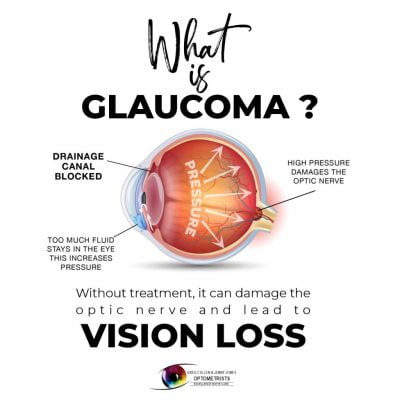
The nerve linking the eye to the brain is destroyed in all kinds of glaucoma, which is frequently caused by excessive eye pressure.
Other than gradual vision loss, the most common kind of glaucoma (open-angle glaucoma) frequently has no symptoms.
Although rare, angle-closure glaucoma is a medical emergency with symptoms such as eye discomfort, nausea, and acute vision disruption.
Eye drops, medicine, and surgery are all options for treatment.
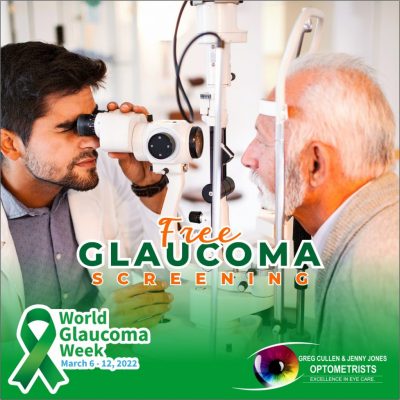
“Treatment – Get FREE Glaucoma Screening by Appointment.”
A medical diagnosis is required.
Other than gradual vision loss, the most common kind of glaucoma (open-angle glaucoma) frequently has no symptoms.
Although rare, angle-closure glaucoma is a medical emergency with symptoms such as eye discomfort, nausea, and acute vision disruption. There may be no symptoms, although people may experience the following:
Visual impairments include hazy vision, distorted vision, and vision loss.
WHEN SHOULD YOU GET YOUR EYES CHECKED FOR GLAUCOMA?
The key to protecting your eyesight against glaucoma damage is early detection, which can be achieved through regular and comprehensive eye exams.
It is critical to have your eyes tested on a regular basis.
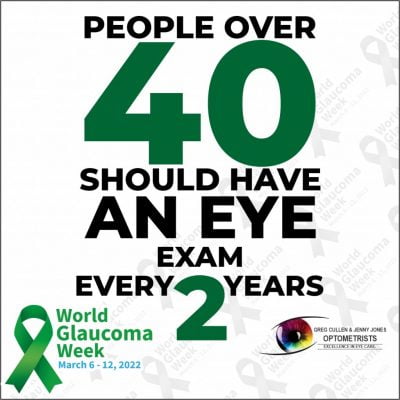
At the age of 40, you should get a baseline eye examination.
At this age, you may notice the first indicators of eye disease and vision problems.
Based on the results of this screening, your eye doctor will advise you on how often you should have follow-up checks.
If you have diabetes, high blood pressure, or a family history of glaucoma, you should see an eye doctor very once to find out how frequently you should have your eyes examined.
Different Types of Glaucoma
There are several types of glaucoma but the two main ones are Open-Angle and Angle-Closure.
Primary Open-Angle Glaucoma
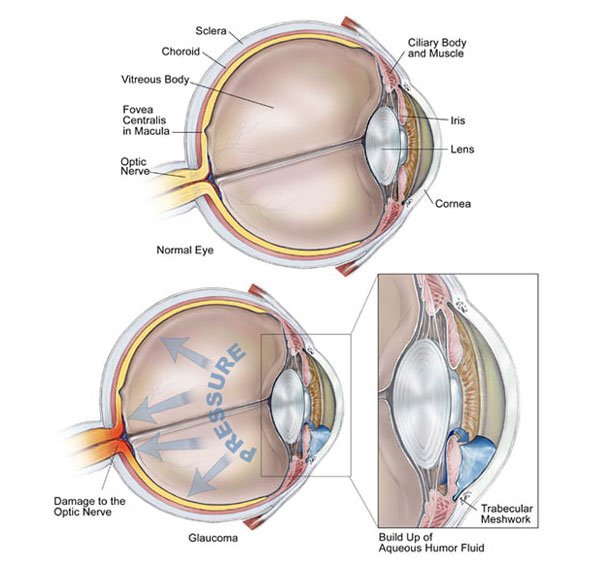
Primary Open-Angle Glaucoma, also known as OpenAngle Glaucoma, is the most common type of glaucoma. It is a lifelong condition that accounts for at least 90% of all glaucoma cases. The angle in your eye where the iris (the colored part of your eye) meets the cornea (the clear window at the front of the eye) is as open as it should be in people with Open-Angle Glaucoma, but the eye’s drainage canals get clogged over time, comparable to a clogged pipe beneath a sink drain. This can lead to an accumulation of intraocular fluid and a rise in eye pressure, both of which can harm the optic nerve.
Open-Angle Glaucoma does not have any early warning signs. It progresses slowly and can go years without causing apparent vision loss. If Open-Angle Glaucoma is not recognized and treated early enough, it can lead to vision loss.It can be detected early with frequent eye exams and usually responds well to treatment to maintain vision.
"AN ESTIMATED 200 000 PEOPLE IN SOUTH AFRICA ARE AFFECTED."
Primary Angle-Closure Glaucoma
Primary Angle-Closure Glaucoma, commonly known as NarrowAngle Glaucoma, is the other major type of glaucoma.
The angle between the iris and the cornea is closed in many or most locations in this kind of glaucoma, decreasing fluid drainage and increasing eye pressure. This increased pressure damages the optic nerve, possibly resulting in vision loss. Parts of the angle may be closed in the early stages of the disease, but the eye pressure may or may not be high, and the optic nerve is not yet harmed.
Primary Angle-Closure Glaucoma causes steady elevation of eye pressure with no symptoms. The intraocular pressure rises rapidly in Acute Angle-Closure Glaucoma, causing symptoms such as eye pain, hazy vision, redness, rainbow-colored rings (“haloes”) around lights, nausea, and vomiting. Acute Angle-Closure Glaucoma is a life-threatening condition. It has the potential to cause long-term vision damage and necessitates immediate medical attention.
Different Types of Glaucoma
Normal-Tension Glaucoma
Secondary Glaucoma
Pigmentary Glaucoma
Congenital Glaucoma
Exfoliative Glaucoma
Neovascular Glaucoma
Uveitic Glaucoma
Traumatic Glaucoma
Detecting the condition
DURING YOUR EXAMINATION, YOUR EYE DOCTOR WILL CHECK FIVE FACTORS TO ACCURATELY AND SAFELY DIAGNOSE GLAUCOMA:
• Tonometry – A measure of the pressure inside the eye (intraocular pressure or IOP)
• Intraocular pressure (IOP) is a measurement of the pressure inside the eye.
• Ophthalmoscopy is a dilated eye exam that examines the shape and color of the optic nerve.
• Gonioscopy is a test that measures your field of vision. The angle in the eye where the iris meets the cornea is examined.
• Pachymetry is a measurement of the cornea’s thickness.
Working with your doctor
Your doctor should listen to and respond to your concerns and questions, be open to explain your treatment options, and be available for phone calls and checkups. A good working relationship with your eye doctor is essential for effective treatment.